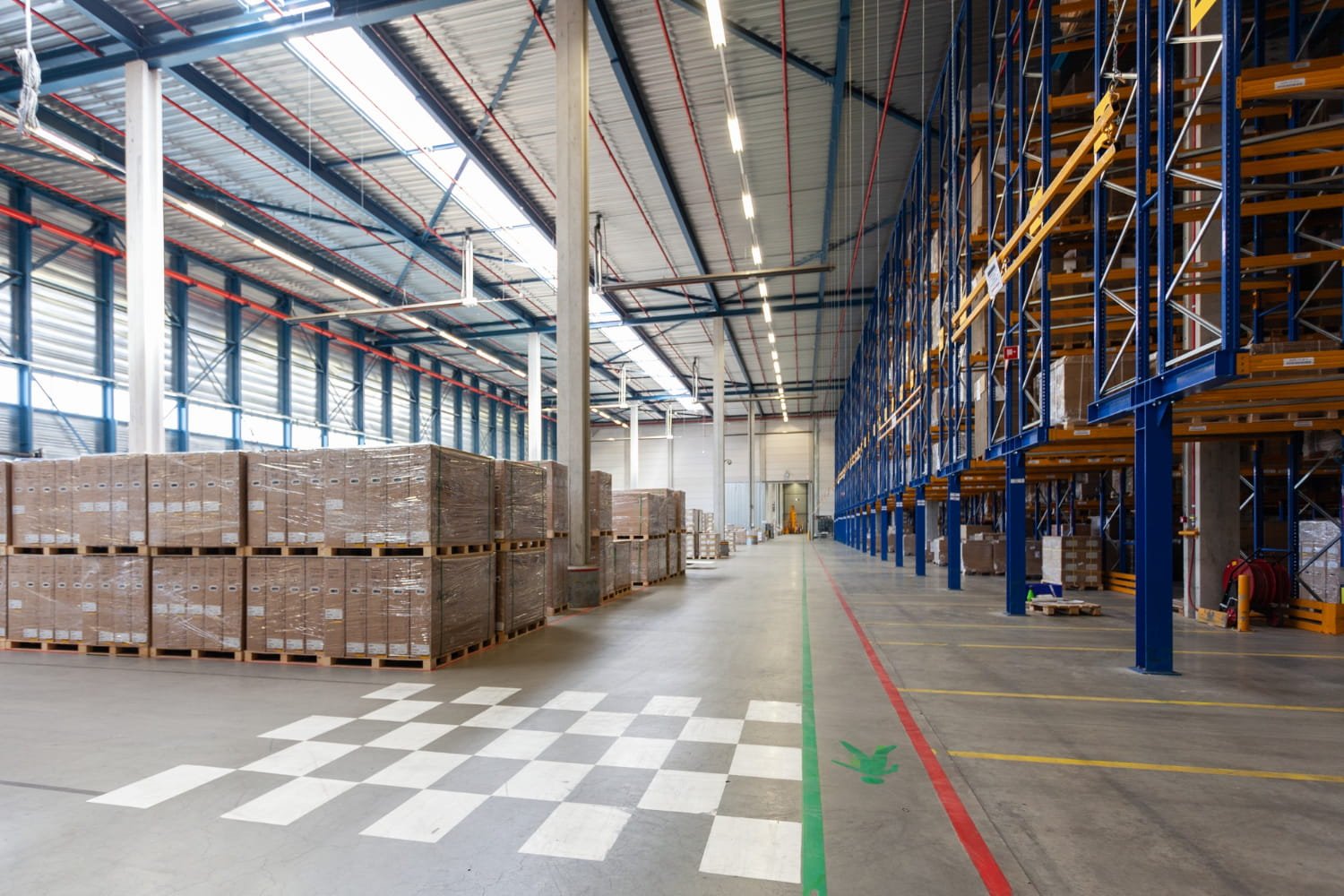
Running a warehouse in Western Sydney means keeping a lot of moving parts on track. Forklifts come and go, orders pile up, and staff work hard to meet tight deadlines. But when someone needs a cold drink or a quick snack halfway through a busy shift, the last thing they want is a long trip to the nearest servo. That’s where a well-chosen vending machine can make a real difference.
Whether you manage a distribution centre in Eastern Creek, a logistics facility in Wetherill Park or an industrial warehouse in Smithfield, your team needs convenient access to refreshments. However, not every machine suits every workplace. A small warehouse with 15 employees has very different needs from a large facility with 100 workers across multiple shifts.
If you’re exploring warehouse vending machines, I recommend looking beyond the machine’s appearance or size. Think about your staff numbers, shift patterns, available space and the products your team actually wants. The right setup should fit naturally into your daily operations, not create another job for your warehouse manager.
1. Understand Your Warehouse Workforce Before Choosing
Before you start comparing machines, take a closer look at the people who will use them.
A warehouse vending machine should match your team’s daily routine. After all, a machine full of chocolate bars won’t impress employees who mainly want cold water, protein snacks and something filling during their lunch break.
Start by considering three factors.
Number of Employees
Your workforce size helps determine the machine’s capacity and how often it needs restocking.
For example, a small warehouse with 15–25 employees might find a compact combination machine practical. A larger distribution centre with 80–100 workers may need a higher-capacity model or more than one machine.
However, staff numbers alone don’t tell the full story. Consider how many people actually use the break area and how often they buy refreshments.
Shift Patterns
Many Western Sydney warehouses operate early mornings, late evenings or overnight shifts.
If your facility runs 24 hours, choose a machine that supports continuous self-service access. Employees shouldn’t have fewer refreshment options simply because they work the night shift.
Staff Preferences
Here’s a simple trick I recommend: ask your employees what they would actually buy.
A quick staff survey can reveal whether your team prefers energy drinks, sandwiches, protein bars, soft drinks or traditional snacks.
You don’t need a complicated questionnaire. A few straightforward questions can help you avoid stocking products that nobody wants.
2. Compare Different Types of Warehouse Vending Machines
Once you understand your workforce, the next step involves choosing the right machine type.
Some warehouses need basic snacks and drinks. Others benefit from a broader selection that includes more filling food options.
Here’s how the main options compare.
| Machine Type | Best For | Products |
| Snack machine | Smaller warehouses and break rooms | Chips, biscuits, chocolates, protein bars |
| Drink machine | Busy industrial sites and physical workplaces | Bottled water, soft drinks, sports drinks, energy drinks |
| Combination machine | Warehouses with limited floor space | Snacks and chilled beverages |
| Refrigerated food machine | Large facilities with suitable demand and servicing | Sandwiches, wraps, fresh meals, chilled snacks |
Why Combination Machines Often Make Sense
If you’re working with limited space, I’d consider a combination vending machine first.
It offers snacks and beverages from one unit, making it suitable for smaller lunchrooms and shared staff areas. You also avoid allocating separate spaces for multiple machines.
However, a busy warehouse with several shifts might benefit from separate snack and drink machines. Higher capacity can reduce empty shelves during peak break periods.
For fresh food, ask the supplier about temperature control, food safety procedures, shelf life and restocking frequency before making a decision.
3. Choose a Safe and Convenient Location
Even the best machine won’t deliver much value if your team needs to walk halfway across the warehouse to find it.
Location matters just as much as product selection.
Ideally, place your vending machine somewhere staff already spend their breaks. Lunchrooms, staff amenities areas and designated break spaces usually make more sense than busy warehouse aisles.
Keep It Away From Operational Hazards
Warehouses have forklifts, pallet jacks, delivery vehicles and constant movement. I wouldn’t place a machine near loading docks, high-traffic equipment routes or emergency exits.
Choose a location where workers can safely stop, select their products and return to their break without interrupting warehouse operations.
The SafeWork NSW guidance on workplace facilities explains the importance of safe access, clear walkways and suitable staff amenities. Remember that a vending machine adds convenience; it doesn’t replace your responsibility to provide free, clean drinking water and appropriate eating facilities.
Check the Practical Details
Before installation, inspect the proposed space for:
- A suitable electrical connection and sufficient ventilation
- Enough clearance for customers and restocking
- Safe, accessible flooring and unobstructed walkways
- Reliable connectivity for electronic payments
- Convenient access to bins and cleaning facilities
Also, measure doorways and delivery routes. A machine that fits perfectly in your lunchroom won’t help if the installation team can’t get it through the entrance.
4. Select Products That Match Your Team’s Needs
Now comes the part your employees will probably care about most: what’s inside the machine?
The right product selection makes a major difference to customer satisfaction and ongoing usage.
Offer a Balanced Range of Snacks
Warehouse work often involves long periods of standing, walking and physically demanding tasks. Staff may appreciate quick, convenient options that fit around their breaks.
Consider offering a mix of:
Everyday favourites: Chips, chocolate bars, biscuits and popular packaged snacks.
Lighter choices: Nuts, popcorn, muesli bars and lower-sugar options.
More filling snacks: Protein bars, crackers and suitable packaged food.
You don’t need to turn the machine into a health food shop. The goal is to offer enough variety so employees can choose what suits them.
Don’t Overlook Cold Drinks
Western Sydney summers can make an already demanding warehouse shift feel tougher.
Cold beverages often become an important part of the product mix, particularly in warm industrial environments.
Consider bottled water, flavoured water, sports drinks and popular soft drinks.
However, make sure your workplace maintains separate access to free drinking water. Staff shouldn’t need to buy a bottle whenever they feel thirsty.
Review Product Demand Regularly
I’d recommend checking which products sell well during the first few weeks.
If energy drinks disappear quickly while certain snack varieties barely move, adjust the selection.
A flexible product range keeps the machine relevant and helps minimise slow-moving stock.
5. Look for Modern Vending Machine Features
Technology has changed workplace vending considerably. Today’s machines can offer more than the traditional coin slot and limited product selection.
For a busy warehouse, certain features can make the experience much smoother.
Cashless Payment Options
Most employees don’t carry a pocket full of coins to work anymore.
Look for equipment that supports convenient payment methods, such as contactless debit and credit cards, along with compatible mobile wallets.
Quick payments become especially useful when several employees visit the machine during the same short break.
Clear Product Displays
A well-lit display helps staff identify products, compare options and see prices before making a purchase.
It’s a small detail, but nobody wants to play a guessing game with their afternoon snack.
Reliable Cooling and Stock Monitoring
For beverage machines, consistent refrigeration matters.
Some modern systems also offer remote stock monitoring, which can help suppliers identify low-stock products and plan restocking visits.
Ask which features the supplier actually provides rather than assuming every model includes them.
Easy Access for Employees
Consider screen height, payment terminal positioning, reach distances and the space in front of the unit.
Accessible controls and clear instructions can help more employees use the machine comfortably.
6. Compare Installation Costs, Restocking and Maintenance
A vending machine might look like a straightforward purchase, but the service arrangement can make a bigger difference over time.
In Western Sydney, some vending providers offer fully managed services that include machine supply, installation, product restocking and maintenance without an upfront machine charge to an eligible business.
Employees generally pay for the snacks and drinks they purchase, while the provider manages the equipment under the agreed arrangement.
However, I recommend checking the exact terms before choosing a supplier.
| What to Check | Questions to Ask |
| Installation | Does the supplier charge for delivery or setup? |
| Machine supply | Do I need to buy or rent the equipment? |
| Restocking | How often will someone refill the products? |
| Maintenance | Who handles repairs and technical problems? |
| Payment systems | Does the machine accept cards and mobile payments? |
| Product selection | Can we request different snacks and drinks? |
| Service agreement | Are there minimum usage requirements or other conditions? |
Why Local Servicing Matters
Imagine your team finishes a busy afternoon shift and discovers the machine has run out of its most popular drinks.
Now imagine the supplier cannot arrange a restock for several days.
Not exactly the workplace perk you had in mind.
A provider that services Western Sydney can offer a practical advantage through local support, although actual response times will depend on its schedule and service agreement.
Ask about restocking frequency, fault reporting, repair arrangements and support for late-shift workplaces.
Reliable servicing matters more than a machine packed with fancy features.
7. Match the Machine to Your Warehouse Layout and Daily Operations
Not all warehouses operate alike, even when they employ similar numbers of people.
A logistics centre in Eastern Creek might have large teams rotating through short breaks. A storage warehouse in Seven Hills may have a smaller workforce with more predictable schedules.
Your machine should suit those differences.
Small Warehouses
For smaller teams, I usually recommend starting with a compact combination model.
You can provide a useful selection of refreshments without taking up too much space or creating unnecessary stock capacity.
Large Distribution Centres
A large facility may need multiple machines across different staff areas.
Rather than forcing everyone into one crowded lunchroom, consider whether separate refreshment points could improve convenience and reduce queues.
Warehouses With Multiple Shifts
For operations that run overnight, focus on reliable access, convenient payments and a restocking schedule that accounts for different shifts.
A machine that works brilliantly at 10 am but sits empty at midnight won’t serve your entire workforce.
Also, consider whether your supplier can adjust the product range as demand changes.
8. Avoid These Common Vending Machine Mistakes
Choosing the wrong setup doesn’t always create a major problem straight away. Sometimes the issues appear gradually.
Employees stop using the machine, products sit untouched, or maintenance becomes frustrating.
I often suggest checking for these mistakes before finalising your decision.
Choosing size over demand: A huge machine isn’t automatically better. Match capacity to actual staff usage.
Ignoring employee preferences: Don’t guess what your team wants when you can simply ask them.
Poor placement: Avoid putting machines near forklift routes, blocked access areas or inconvenient corners.
Forgetting about maintenance: Confirm who fixes payment issues, cooling faults and product dispensing problems.
Focusing only on installation costs: Review ongoing service, product pricing and contract conditions as well.
Not reviewing performance: Check stock movement and employee feedback after installation. Small adjustments can improve the experience.
The goal isn’t just to install a machine. It’s to create a convenient refreshment option that employees actually use.
9. Make Your Final Decision With a Simple Checklist
Before choosing a vending machine for your warehouse, I recommend reviewing five things: workforce size, shift schedules, product preferences, available space and supplier support.
You should also discuss payment options, restocking arrangements and potential changes in demand.
If you’re unsure which model suits your site, ask the supplier to assess your staff amenities area and recommend an appropriate solution.
An experienced supplier should explain its reasoning rather than simply pushing the largest machine in its range.
Start with a practical setup, gather employee feedback and review your product selection as your needs evolve.
Conclusion: Give Your Warehouse Team Better Refreshment Options
Choosing the right vending machine for your warehouse doesn’t need to become another complicated management project.
Start with your employees. Understand what they want, when they take breaks and how easily they can access refreshments. Then choose a suitable machine type, find a safe location and work with a supplier who can handle reliable restocking and servicing.
For warehouses across Western Sydney, a well-planned vending setup can make everyday breaks more convenient without adding unnecessary work to your operations.
Want to improve your warehouse staff amenities? Contact our team today to discuss your workplace requirements and explore a suitable vending solution for your Western Sydney facility.
Frequently Asked Questions
1. What type of vending machine works best for a warehouse?
A combination snack and drink machine often suits smaller warehouses because it offers variety without occupying too much space. Larger warehouses may benefit from separate beverage and snack machines, depending on staff numbers, demand and available room.
2. Can I get a free vending machine for my warehouse in Western Sydney?
Some suppliers offer machines with no upfront supply or installation charge for eligible workplaces. They may also manage restocking and maintenance. Employees pay for the products they purchase. Ask about eligibility, electricity, service conditions and any additional costs.
3. Can warehouse employees use vending machines during night shifts?
Yes. A self-service machine can provide refreshments throughout the day and night when staff can safely access it. Choose reliable payment options and arrange regular restocking to support workers across different shifts.
4. How often should a warehouse vending machine receive restocking?
Restocking frequency depends on staff numbers, purchasing habits and machine capacity. Busy warehouses may require several visits each week, while smaller workplaces may need fewer. Ask your supplier to review sales and stock levels so popular products remain available.